
X-ray vs Ultrasound: Which Diagnostic Scan Do You Need?
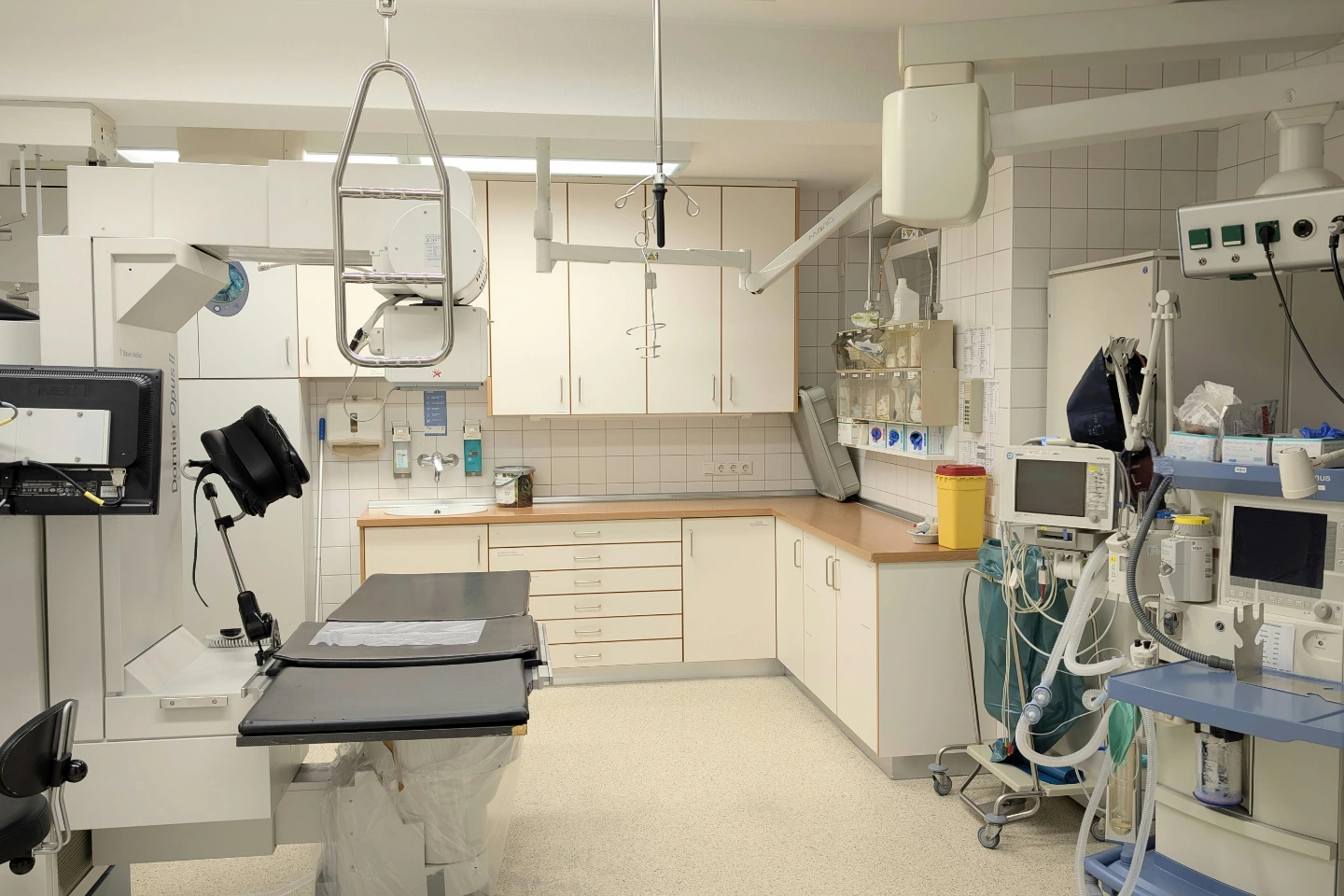
When you visit a medical center for a health concern, your doctor might suggest a diagnostic scan to get a better look at what is happening inside your body. Two of the most common imaging techniques used today are X-rays and ultrasounds. While they both serve the purpose of seeing through skin and muscle, they operate in completely different ways and are used for very different medical reasons.
If you are feeling a bit nervous about a scheduled scan at Platinum Medical Centre, or if you are simply curious about how these technologies work, this guide will break down the differences in simple, human terms. Understanding your healthcare journey is the first step toward feeling confident in your recovery.
What is an X-ray?
Most of us are familiar with the classic black and white skeletal image. An X-ray is a form of electromagnetic radiation, similar to visible light but with much higher energy. This energy allows the rays to pass through most objects, including the human body.
How it works
When you have an X-ray at a medical center, a machine sends a beam of radiation through the specific part of your body being examined. Different tissues absorb radiation at different rates. Dense materials like bone block most of the radiation and appear white on the film. Softer tissues like fat or muscle allow more radiation to pass through and appear in shades of grey. Lungs, which are filled with air, usually appear black.
What is it used for?
X-rays are the go-to choice for looking at hard structures. They are commonly used for:
- Identifying bone fractures or dislocations
- Checking for dental issues like cavities or impacted teeth
- Looking for signs of pneumonia or lung infections via a chest X-ray
- Detecting foreign objects that might have been swallowed
- Monitoring the progression of conditions like arthritis
What is an Ultrasound?
An ultrasound, also known as a sonogram, does not use radiation at all. Instead, it relies on high-frequency sound waves to create images. It is the same technology that bats use for navigation and submarines use for sonar.
How it works
During a session at Platinum Medical Centre, a small handheld device called a transducer is placed on your skin. A special lubricating gel is applied first to help the sound waves travel. The transducer sends out sound pulses that bounce off internal organs and tissues. The computer then translates these echoes into real-time moving images on a screen.
What is it used for?
Ultrasounds are excellent for looking at soft tissues and organs that are full of fluid. Common uses include:
- Monitoring the growth and health of a baby during pregnancy
- Examining the heart (an echocardiogram) to see how valves are functioning
- Checking abdominal organs like the liver, gallbladder, kidneys, and spleen
- Investigating lumps in the breast or thyroid gland
- Guiding a needle during a biopsy procedure
The Major Differences Between the Two
Choosing between an X-ray and an ultrasound depends entirely on what the doctor is trying to find. Here are the primary points of comparison that we often discuss with patients at our medical center.
1. Radiation vs Sound Waves
The most significant difference is the medium used. X-rays involve a small dose of ionizing radiation. While modern X-ray machines are designed to use the minimum amount necessary, doctors still take precautions, especially with children and pregnant women. Ultrasounds, on the other hand, have no known risks associated with radiation, making them the preferred choice for prenatal care.
2. Static vs Real-Time Images
An X-ray provides a snapshot in time. It is a still image, much like a photograph of your internal structure. An ultrasound provides a live, moving video feed. This allows healthcare providers at Platinum Medical Centre to see blood flowing through vessels or a baby moving in the womb.
3. Hard Tissue vs Soft Tissue
Think of X-rays as the bone experts and ultrasounds as the soft tissue experts. If you have a suspected broken arm, an X-ray is the obvious choice because sound waves struggle to penetrate dense bone. If you have unexplained abdominal pain or a suspected gallstone, an ultrasound is usually better because it can see the details of the fleshy organs more clearly than an X-ray can.
Preparation and Experience
The experience of getting these scans at a medical center is quite different for the patient.
Preparing for an X-ray
X-rays are incredibly fast. You will often be asked to wear a hospital gown and remove any metal jewellery, as metal shows up very brightly and can obscure the image. You may need to hold your breath for a second or two to ensure the image is not blurred. There is no pain involved, though the plastic plate you lean against might feel cold.
Preparing for an Ultrasound
Ultrasounds can take anywhere from 15 to 45 minutes. Depending on the area being scanned, you might be asked to drink several glasses of water to ensure a full bladder, or you might be asked to fast for several hours. The most uncomfortable part is usually the cold gel and the slight pressure of the transducer, but the process is generally painless and non-invasive.
Safety Considerations
At Platinum Medical Centre, patient safety is the priority. Many patients worry about the radiation from an X-ray. It is helpful to put it into perspective: a standard chest X-ray exposes you to about the same amount of background radiation you would naturally receive from the environment over a period of 10 days. However, because radiation can potentially harm a developing foetus, always inform your doctor if there is a chance you are pregnant.
Ultrasounds are widely considered safe for all ages and conditions. Because they do not use radiation, they can be repeated as often as necessary to monitor a condition without cumulative health risks.
Why Your Doctor Might Order Both
Sometimes, one scan is not enough to tell the whole story. If you visit a medical center with a complex injury, the doctor might start with an X-ray to check the bones. If the X-ray is clear but you are still in pain, an ultrasound might follow to check for torn ligaments, tendons, or internal bruising that an X-ray simply cannot see.
Frequently Asked Questions (FAQs)
Q: Can an ultrasound see broken bones?
A: Generally, no. Sound waves do not travel well through the dense structure of bone. While an ultrasound might show the surface of a bone or a fracture in very specific cases, an X-ray is the standard tool for bone injuries.
Q: Is an X-ray better than an ultrasound?
A: Neither is better in a general sense. They are different tools for different jobs. An X-ray is superior for bones and lungs, while an ultrasound is superior for organs, soft tissues, and pregnancy monitoring.
Q: Do I need a referral for a scan at Platinum Medical Centre?
A: Most diagnostic imaging requires a referral from a GP or a specialist. This ensures that the correct type of scan is performed for your specific symptoms.
Q: How long does it take to get the results?
A: At a medical center, the images are usually available almost immediately, but they need to be reviewed by a professional. You will typically receive a full report within a day or two.
Q: Is there any side effect after the scan?
A: For both standard X-rays and ultrasounds, there are no recovery steps. You can drive, go back to work, and eat normally immediately after your appointment.
Visit Platinum Medical Centre for Your Health Needs
Your health journey deserves clarity and care. If you have been recommended for a scan or are seeking a consultation, our team at the medical center is here to help you understand every step of the process. Whether you require a routine check or have specific health concerns, Platinum Medical Centre provides a welcoming environment for all patients. Do not let uncertainty about your symptoms linger. Reach out to our medical center today to book an appointment and experience the dedicated care at Platinum Medical Centre.
Contact Us
Don’t wait for symptoms to worsen—book your consultation today and take the first step towards better health.

Email: info@pmcymed.com
Phone: +65 6993 8648

Practice Hours:
Mon – Sat: 8 am–1 pm, 2 pm–5 pm, 6 pm–10 pm
Sun: 5 pm–9 pm
X-ray Operation Hours:
Mon–Fri: 9 am–1 pm, 2 pm–5 pm
Sat: 9 am–1 pm
Sun: Closed




© Platinum Medical Centre 2025. All rights reserved | Digital Marketing by Remedo